Reducing OPEX through Automated Revenue Management
By automating data consolidation and reporting through QBi, MN8 now saves the equivalent of a full-time role every year.
QBi gives Business Development teams a structured workspace to manage renewable energy projects from early stage to RTB.
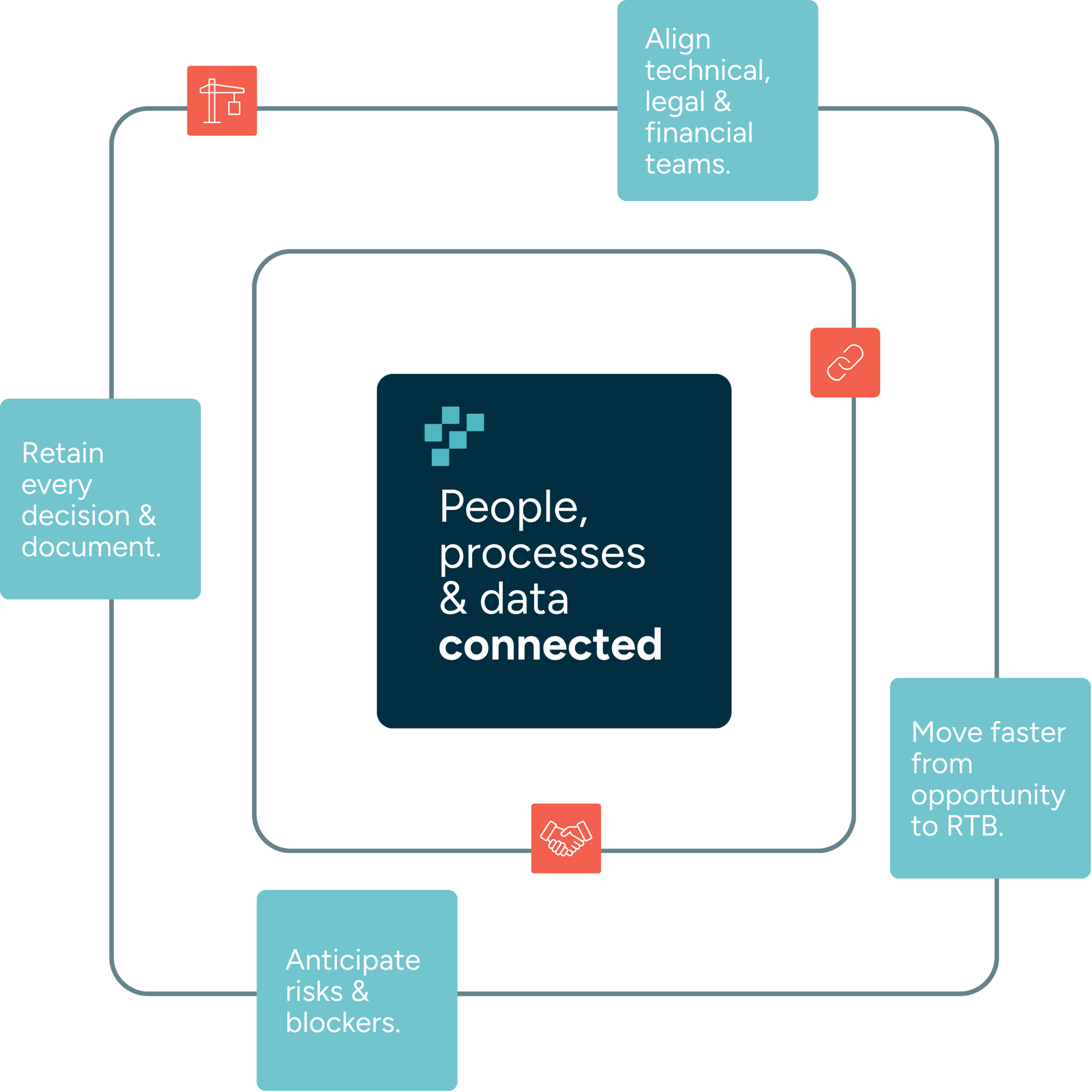
It connects land, permits, grid, budgets, milestones, workflows, and documentation in one platform — replacing scattered spreadsheets and shared drives with a clear, traceable development process.
So teams can track progress, anticipate bottlenecks, and move projects forward with greater control.
From scattered opportunities to structured land pipelines
From complex processes to controlled permitting
From uncertainty to clear grid strategy

.png?width=2000&height=1147&name=Landing%20Page%20%20Sales%20deck%20%20Developer%20(1).png)
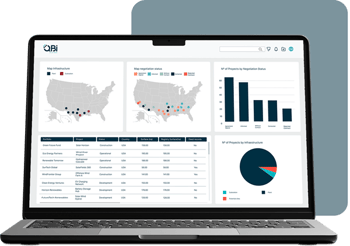
Provides a centralized portfolio summary by stage and progress.
Interactive roadmap showing permits, land, and grid milestones with dependencies and alerts.
.png?width=2000&height=1147&name=Landing%20Page%20%20Sales%20deck%20%20Developer%20(2).png)
.png?width=2000&height=1147&name=Landing%20Page%20%20Sales%20deck%20%20Developer%20(3).png)
Real-time view of DevEx budgets, forecasts, and payments, with variance alerts.
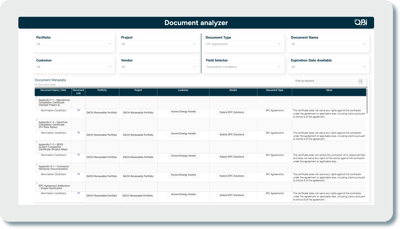
Get the most of your documents with our AI module. View document expirations across portfolios, highlighting upcoming deadlines and renewal priorities.

Technical, commercial and financial workflows — fully connected in one platform.

By automating data consolidation and reporting through QBi, MN8 now saves the equivalent of a full-time role every year.
Discover how a centralized dashboard helps asset managers oversee large renewable portfolios with real-time insights, automated alerts, and integrated workflows.

Renewable energy project development software helps project developers manage the full development pipeline from early stage to ready-to-build.
It centralizes key workflows such as land, permitting, grid connection, budgets, documentation, milestones, risks and approvals in one platform.
QBi helps Project Development teams control complex renewable energy projects by connecting project data, workflows, documents and milestones in one platform.
It gives teams greater visibility across land, permits, grid, budgets and project progress, helping them reduce delays, improve coordination and move projects forward with confidence.
QBi helps Project Developers reduce fragmentation across spreadsheets, shared drives, emails and disconnected tracking tools.
It supports common development challenges such as scattered project information, unclear milestone status, permit delays, grid connection dependencies, budget deviations, document control and lack of pipeline visibility.
Yes. QBi is designed for renewable energy development pipelines across multiple technologies, including solar, wind, battery storage and hybrid projects.
The platform helps teams manage project information consistently across technologies, geographies, companies and lifecycle stages.
QBi helps teams structure and track every stage of the development process, from origination and land management to permitting, grid connection, budgeting and ready-to-build milestones.
By connecting workflows, deadlines, documents and responsibilities, QBi helps teams understand what is progressing, what is delayed and what needs action.
QBi centralizes land, permitting and grid connection information in structured workflows.
Teams can track agreements, requirements, applications, deadlines, approvals, dependencies and related documentation, helping them maintain control over the critical workstreams that determine project progress.
QBi improves project development reporting by standardizing project data, milestones, KPIs and dashboards across the development pipeline.
Teams can create more consistent, traceable and data-backed reports for management, investors, partners and internal stakeholders.
QBi helps reduce dependence on spreadsheets by centralizing project development workflows in one platform.
Instead of tracking land, permits, grid, budgets, documents and milestones across separate files, teams can manage connected information with greater visibility, consistency and traceability.